Top 12 Car Repairs Drivers Face Most Often

Mercedes-Benz Alternator Problems: 7 Signs Every Driver Should Watch For
August 3, 2026
Quick Summary
The most common car repairs involve brakes, batteries, starters, alternators, cooling systems, suspension, alignment, climate controls, and electrical parts. Warning lights, leaks, unusual noises, steering changes, and starting trouble often signal developing faults. Early inspections can reduce related damage and help drivers avoid larger repair bills. Factory-scheduled maintenance also helps technicians find worn parts before they fail.
Modern vehicles can travel many miles reliably, yet normal wear still creates repair needs. Understanding common car repairs helps drivers spot warning signs before a small issue becomes a larger problem. These repairs appear often because key parts face heat, friction, vibration, and road impact.
Brake Pad, Rotor, and Caliper Repairs
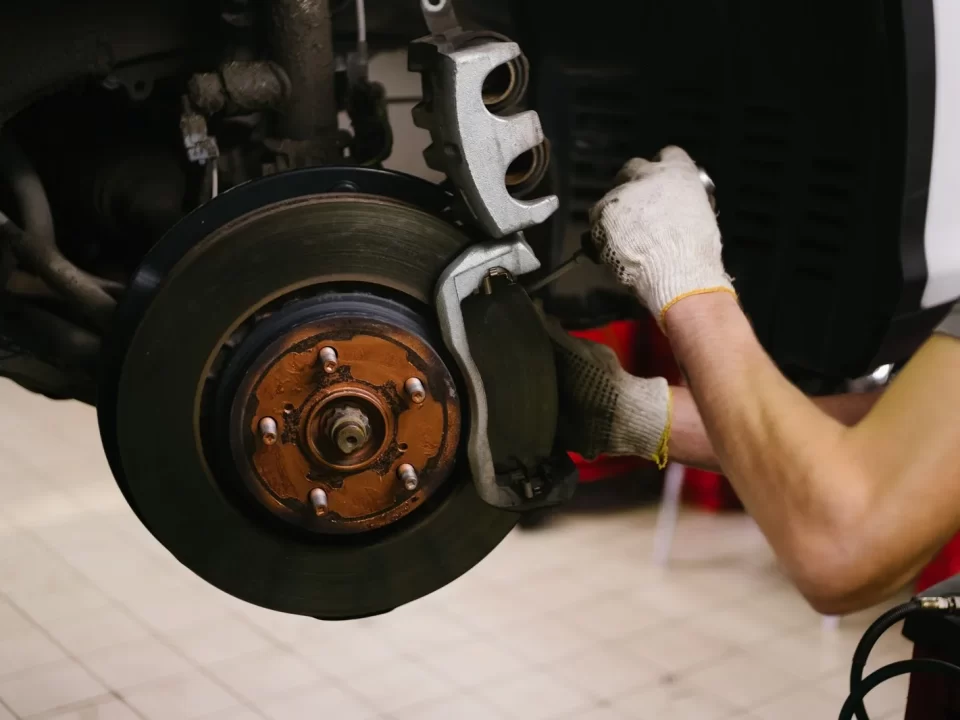
Brake parts wear each time a driver slows or stops. Squealing, grinding, vibration, or a soft pedal may point to worn pads, damaged rotors, low fluid, or a sticking caliper. Delayed attention can increase stopping distance and damage nearby components.
A professional auto repair inspection can identify which brake parts need service. Technicians may measure pad thickness, inspect rotors, test fluid, and check caliper movement. Brake problems deserve fast attention because they directly affect vehicle control.
Battery Replacement and Charging Problems
Batteries weaken with age, temperature changes, short trips, and electrical demand. Drivers may notice slow cranking, dim lights, clicking sounds, or a no-start condition. Corroded terminals can also interrupt power.
Testing the battery and charging system separates battery failure from alternator or wiring trouble. Replacing a weak battery early can prevent an unexpected no-start situation.
Alternator and Starter Repairs
The alternator charges the battery while the engine runs and powers electrical systems. A failing unit may trigger a warning light, dim headlights, electrical glitches, or repeated battery failure. A worn starter often causes clicking, slow cranking, or no engine movement.
Technicians should test the starting and charging circuit because these systems overlap. Testing avoids replacing a healthy battery when another circuit part has failed.
Check Engine Light Diagnosis
The check engine light can appear after a minor fault or a serious engine problem. Common causes include misfires, sensor faults, fuel mixture issues, or a loose fuel cap. Drivers should not assume the light identifies the exact repair.
A scan tool reads stored fault codes, but those codes only point toward a system or condition. Skilled testing confirms the source before parts replacement begins. A flashing light often signals an active misfire that needs quick attention.
Oil Leaks and Oil Service
Engine oil reduces friction, carries heat, and protects moving parts. Low oil, dirty oil, or leaks can cause noise, poor performance, warning lights, and internal wear. Leaks often develop around seals, gaskets, filters, or drain plugs.
Factory-scheduled oil service also lets technicians inspect fluids, belts, hoses, and visible leaks. Drivers searching for “car repairs near me” should choose a shop that follows the vehicle maker’s interval and oil specification.
Cooling System and Radiator Repairs
The cooling system controls engine temperature through coolant, hoses, the radiator, thermostat, water pump, and fans. Leaks or failed parts may cause overheating, steam, odors, or gauge changes. Continued driving while overheated can damage the engine.
Testing may include pressure checks, fan operation, coolant condition, and thermostat performance. Repairing a leaking hose early usually costs less than repairing heat-related engine damage.
Suspension, Shock, and Strut Repairs
Shocks, struts, control arms, bushings, and ball joints absorb road movement. Worn parts may cause bouncing, clunking, loose steering, nose-diving during braking, or uneven tire wear. Rough roads can speed up wear.
Suspension problems often develop gradually, so drivers may adjust to a poor ride without noticing. A front-end inspection can locate damaged mounts, leaking struts, loose joints, and worn bushings.
Wheel Alignment and Front-End Repairs
Misalignment can make a vehicle pull, create an off-center steering wheel, or wear tire edges unevenly. Road impacts, worn suspension parts, and curb contact can change wheel angles. Alignment cannot correct damaged front-end parts.
Technicians should inspect steering and suspension components before adjusting alignment settings. Drivers who search for “car repair shops near me” may benefit from a facility that handles front-end diagnosis and alignment work.
Air Conditioning and Heater Repairs
Climate problems may involve refrigerant leaks, compressors, blower motors, sensors, heater cores, or cabin filters. Weak airflow, uneven temperature, strange odors, or unusual noises can reveal the affected area. Hot weather can make air conditioning faults especially noticeable.
Technicians may test pressures, temperatures, electrical signals, and airflow before recommending work. Adding refrigerant without repairing a leak only creates a temporary result.
Spark Plug and Tune-Up Repairs
Spark plugs ignite the air-fuel mixture inside gasoline engines. Worn plugs or weak ignition coils may cause rough idle, hesitation, hard starting, misfires, lower fuel economy, or reduced power. Some vehicles also need filter service.
Modern tune-up work should follow the vehicle maker’s maintenance plan instead of a standard package. Engine performance testing can identify ignition, airflow, fuel delivery, or sensor problems with similar symptoms.
Belt and Hose Replacement
Belts drive accessories such as the alternator, water pump, or air conditioning compressor. Hoses carry coolant and other fluids through systems exposed to heat and pressure. Cracks, swelling, leaks, or frayed edges can signal replacement time.
A broken belt may stop charging or cooling functions without warning. A failed coolant hose can quickly cause fluid loss and overheating.
Lighting, Electrical, Door, and Window Repairs
Modern cars rely on wiring, modules, switches, motors, and sensors. Faults may affect lights, windows, locks, mirrors, dashboard controls, or starting behavior. Water intrusion, damaged wiring, failed switches, and worn motors can create intermittent symptoms.
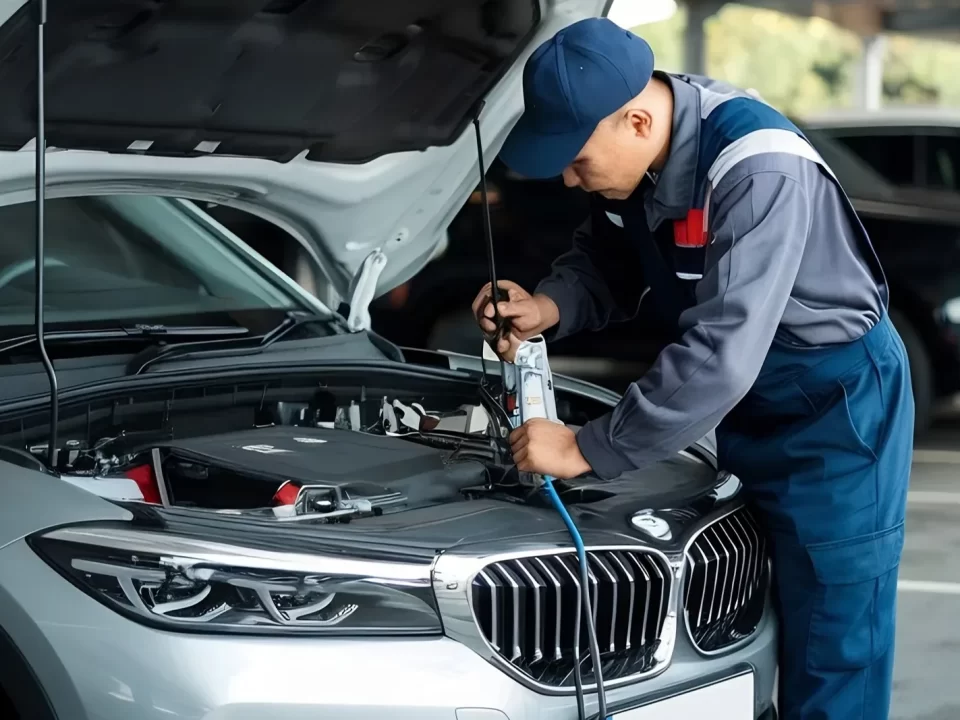
Electrical diagnosis requires more than replacing a fuse repeatedly. Near the end of a detailed inspection, an auto diagnostic process may include circuit testing, scan data, voltage measurements, and module communication checks. Accurate testing helps technicians repair the cause instead of chasing symptoms.
Recognizing Repair Needs Before They Grow
Drivers should act when warning lights, leaks, unusual noises, steering changes, temperature problems, or starting trouble appear. Early inspection can limit related damage and give owners more time to plan service costs. Consistent factory maintenance also reduces surprise failures.
At German Auto Repair, we handle German vehicle maintenance, brakes, suspension, diagnostics, cooling systems, electrical work, alignment, and other common needs. Our dealership-alternative approach brings dealership-level care at a substantially lower cost than many dealership visits.
Schedule Trusted Service for Common Car Repairs
Contact us at German Auto Repair when your German vehicle shows a warning sign or reaches a scheduled service interval. We can inspect the problem, explain the repair clearly, and complete the needed maintenance or mechanical work with careful attention.
FAQs
What are the most common car repairs?
Common car repairs include brake service, battery replacement, starter and alternator work, cooling system repairs, suspension service, and wheel alignment. Drivers also visit repair shops for oil leaks, ignition faults, air conditioning problems, belts, hoses, and electrical issues. The exact repair depends on the vehicle’s age, mileage, driving conditions, and maintenance history.
Which car problems need immediate attention?
Brake failure signs, engine overheating, flashing dashboard lights, heavy fluid leaks, steering problems, and repeated stalling need prompt attention. Continuing to drive may damage connected parts or make the vehicle harder to control. Stop in a safe location when the vehicle overheats, loses braking power, or develops severe steering trouble.
Can routine maintenance reduce major car repairs?
Routine oil changes, fluid checks, brake inspections, battery tests, filter replacement, and cooling system service can uncover wear early. Scheduled maintenance cannot prevent every mechanical fault, but it can lower the risk of sudden breakdowns. Following the manufacturer’s service schedule also helps major systems operate properly for longer periods.
How do I know when my vehicle needs diagnostic testing?
Diagnostic testing may help when a warning light appears, the engine runs roughly, fuel economy drops, or the vehicle becomes difficult to start. Electrical glitches, weak acceleration, unusual noises, and intermittent faults may also call for testing. A technician can read system data and perform related checks before recommending repair work.
Should I repair a small oil or coolant leak immediately?
A small leak can grow and lower the fluid level over time. Low engine oil can increase internal wear, while coolant loss may lead to overheating. Scheduling an inspection early can identify the leaking gasket, hose, seal, radiator, or another affected part before further damage develops.