5 Common Brake Problems Every Driver Should Know

13 Alternator Failure Symptoms Every Audi Owner Should Recognize
August 3, 2026
Mercedes-Benz B Service Checklist For Long-Term Performance And Reliability
September 9, 2026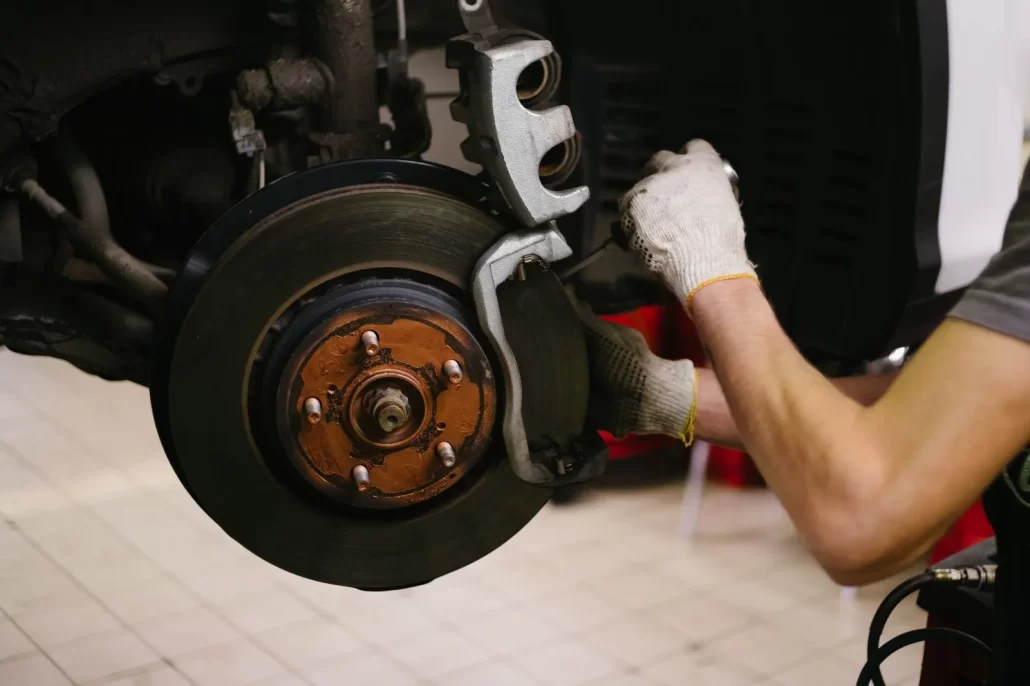
Quick Summary
Common brake problems often start small: a squeak at a stoplight, a pedal that feels softer than usual, or a faint pull to one side. These signs can point to worn pads, low fluid, damaged rotors, sticking calipers, or an ABS fault. Catching the problem early can save the rotors and prevent a far more expensive repair.
Most brake trouble does not arrive all at once. It begins with a noise you notice when backing out of the driveway or a pedal that no longer feels firm. Paying attention to these common brake problems can protect your vehicle, your wallet, and the people riding with you.
A timely brake repair can replace worn pads before metal reaches the rotors. Ignore the signs for too long, and a simple pad replacement can turn into rotors, calipers, and added labor. Brakes are not a system to “watch for a while.”
At German Auto Repair, we offer dealership-level work without dealership pricing. Our team handles brake work, suspension repairs, and diagnostic testing with care. Visit our local brake repair shop when your vehicle gives you a reason to be concerned.
Worn Brake Pads and Reduced Stopping Power
Brake pads wear down every time you stop. That is their job. The friction material slowly becomes thinner as it presses against the rotor, especially in city traffic with frequent stops.
Thin pads can make your vehicle take longer to stop and allow more heat to reach the rotors. Once the pad material is gone, the metal backing plate can scrape the rotor. At that point, the repair is no longer small. Replacing pads on time protects the rest of the braking system.
Squeaking Brakes and Grinding Noises
A light squeak does not always mean an emergency. Moisture, dust, or a thin film of rust on the rotors after rain can cause a brief noise. But a steady squeal often means the pad wear indicator has started rubbing against the rotor. It is giving you a warning.
Grinding is more serious. It usually means the brake pad has worn through and metal is rubbing directly on metal. Keep driving like that, and the rotors can be damaged quickly. The sound may be harsh, but it is useful. It is telling you to book a repair now.
Soft Brake Pedal and Low Pressure
A healthy brake pedal should feel firm and respond without sinking too far. If the pedal feels spongy or drops closer to the floor than usual, the hydraulic system may have lost pressure.
Air in the brake lines is a common cause. A fluid leak or failing master cylinder can also create the same feeling. Since brakes rely on hydraulic pressure to work, a soft pedal deserves prompt attention. Bleeding the lines and repairing the source of the pressure loss can restore a solid pedal feel.
Brake Fluid Leaks and Low Levels
Brake fluid carries force from the pedal to the brakes at each wheel. A leak in a hose, line, caliper, or other component lowers the fluid level and weakens the entire system.
Check the brake fluid reservoir if a warning light appears, but do not assume topping it off solves the problem. Fluid does not normally disappear without a reason. It may leak out, or worn pads may have caused the level to drop. Dark, contaminated fluid can also affect parts inside the system. A technician should find the cause before adding new fluid.
Vibrations When Braking at Higher Speeds
If the steering wheel shakes or the brake pedal pulses when you slow down from highway speed, the rotors may have uneven wear or heat damage. People often call this “warped rotors,” and the feeling is hard to miss.
Repeated heavy braking can create excess heat. Over time, the rotor surface may no longer stay even, and the pads cannot grip it smoothly. Rotor replacement or resurfacing may fix the issue. Worn pads and loose wheel bearings can also cause vibration, so the entire area needs an inspection.
FAQs
How Often Should Brake Pads Get Replaced?
Most brake pads last between 30,000 and 70,000 miles. Heavy traffic, steep hills, towing, and hard braking can wear them out much faster. Have them inspected during regular service visits.
What Causes a Brake Pedal to Feel Soft?
Air in the brake lines, a fluid leak, or a failing master cylinder can make the pedal feel soft. The system needs inspection and repair to restore normal pressure.
Can I Drive With Grinding Brakes?
No. Grinding usually means metal is rubbing against metal. Continuing to drive can ruin the rotors and damage other brake parts. Get the vehicle repaired immediately.
German Auto Repair Delivers Expert Brake Service You Can Trust
At German Auto Repair, we treat every vehicle with the same care we would want for our own. Our technicians repair brakes, handle front-end work, and perform tune-up services without pushing unnecessary work. We stand behind our repairs and explain what we find in plain language.
If you need a car mechanic in Harvey, LA, our team is ready to help. We also offer Car maintenance services in Harvey, LA to keep your vehicle dependable between repairs. Call German Auto Repair today to schedule a brake inspection.